First Impressions of Bicycle: A Designer’s Honest Review
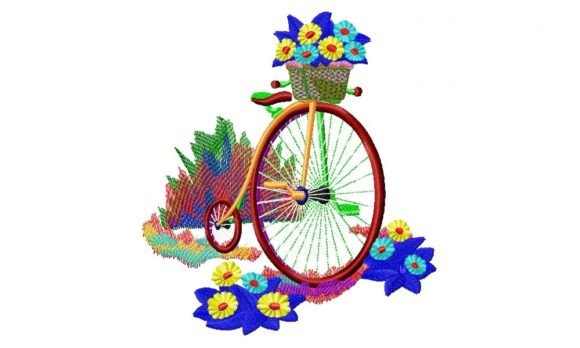
As a designer with years of experience in embroidery and digital product creation, I’m always on the lookout for designs that feel both versatile and visually engaging. The Bicycle embroidery design caught my eye immediately—not just for its charm, but for its potential to elevate a wide range of handmade and commercial products. It’s a sweet, stylized rendering of a classic bike, with clean lines and a gentle curve that gives it a whimsical, nostalgic vibe. This makes it a strong candidate for projects aimed at children, outdoor enthusiasts, or anyone who appreciates a touch of vintage-inspired design.
What’s the Mood? Cute, Classic, and Commercially Versatile
The design exudes a soft, approachable energy. It doesn’t scream for attention but instead invites a second look with its subtle charm. The Bicycle design feels like a quiet nod to simpler times—perfect for tote bags, baby items, or boutique-style apparel. The lines are crisp and well-defined, which is always a good sign for embroidery work. I immediately thought of how it would look stitched onto a linen tea towel or a denim jacket for a custom Etsy listing. It’s not overly detailed, which makes it a great option for both beginners and seasoned embroiderers looking for a quick, clean embellishment.
Real-World Embroidery: How Bicycle Performs in Use
I tested the design on a few mock projects to get a real sense of its practicality. I stitched it onto a cotton tote bag, a lightweight sweatshirt, and a stretchy baby onesie. On the tote, it looked polished and centered—perfect for a boutique-style gift. On the sweatshirt, the design held up well, with the stitches maintaining clarity even on a slightly textured surface. The baby onesie was trickier due to the fabric’s stretchiness, but with proper stabilizer and hoop tension, the design still came out cleanly.
One of the most surprising uses was on a custom embroidered patch. The Bicycle design translated well into a standalone patch, and I could easily see it being used on backpacks, hats, or even as a branding element for a small business. It’s also small enough to be used in multiples—say, on a set of holiday tea towels or personalized pillow covers.
Where to Be Careful: Fabric, Size, and Detail Sensitivity
While Bicycle performs well in most scenarios, there are a few caveats. On dark fabrics, the light-colored thread can lose some of its visual impact unless carefully matched. I’d recommend testing thread color contrast on both light and dark backgrounds before committing to a full run. The same goes for textured or stretchy materials—always do a test stitch on scrap fabric first.
Also, be cautious when resizing. The note about quality not being guaranteed when resizing is important to heed. If you’re planning to scale the design up for a large tote or down for a cap, be sure to check stitch density and detail clarity. The wheels and spokes, for instance, are delicate elements that could easily blur if the design is too small or stitched on a fabric that doesn’t support fine detail.
Visual Impact and Market Appeal
From a product presentation standpoint, Bicycle adds a level of handmade professionalism that customers appreciate. It enhances the perceived value of an item without overwhelming it. I can see it working especially well for Etsy sellers and small shop owners who want to offer personalized items with a subtle, elegant touch.
For example, adding Bicycle to a plain baby blanket or a custom tote for a boutique brand gives the item a unique, thoughtful quality. It’s the kind of design that says, “I was made with care,” without being too flashy. That kind of balance is rare and valuable in the handmade market.
Design Notes for Embroidery Professionals
Here are a few key takeaways from my testing and real-world use:
- Always test on scrap fabric—especially if you’re using stretchy or textured materials.
- Check thread color contrast on both light and dark backgrounds before production.
- Review stitch density if you’re resizing the design.
- Confirm hoop size compatibility with your machine before stitching.
- Inspect small details like the spokes and handlebars to ensure clarity.
- Test in black and white mockups to see how it looks in a minimalist setting.
- Use proper stabilizer for best results on stretchy or thin fabric.
- Verify licensing if you plan to sell finished items or digital embroidery files.
Final Thoughts: A Practical, Adaptable Design for Real Projects
The Bicycle design is a quiet standout in the world of embroidery freebies. It’s not overly complex, but that’s exactly what makes it so versatile. Whether you're creating a custom sweatshirt for a client, a batch of personalized tote bags for your Etsy shop, or a set of embroidered patches for a local business, Bicycle delivers a clean, charming result that feels both handmade and professional.
As with any embroidery file, it pays to be thoughtful about fabric choice, thread colors, and resizing. But if you take the time to test and adjust, Bicycle is a design that will serve you well across a wide range of projects. For small shop owners, crafters, and digital product sellers, it’s a solid addition to your design toolkit—one that customers will appreciate and recognize as a quality touch.