Rainbow Lucky Charm: A Designer’s Honest Review for Real Embroidery Projects
First Impressions: Cheerful, Playful, and Loaded with Charm
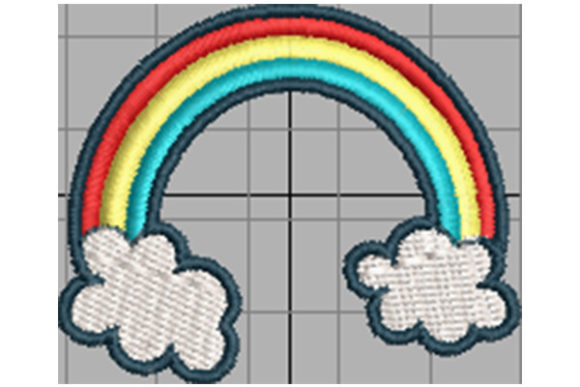
When I first opened the Rainbow Lucky Charm embroidery file, I immediately thought of whimsical baby items and cheerful tote bags. The design carries a lighthearted, optimistic vibe with its soft curves, rounded edges, and layered rainbow motif. It’s the kind of embroidery that invites smiles — perfect for small shop owners and Etsy sellers aiming to add a touch of magic to their handmade items.
Visually, it’s balanced but not overly complex. The layout avoids clutter, which is a big plus for machine embroidery. It’s not so detailed that it becomes a stitching nightmare, yet it holds enough charm to stand out on a finished product. From a design standpoint, it walks the line between cute and professional — a rare combo in the world of embroidery freebies.
Real-World Use: Where Rainbow Lucky Charm Shines
I decided to test this design on a few real-life embroidery projects to see how it would perform beyond the hoop. My first test was on a cotton tote bag — a common product for crafters and small business owners. The result? Clean, crisp stitching with no puckering or distortion. The satin and fill stitches worked well together, and the colors popped beautifully against the natural fabric.
Next, I tried it on a lightweight sweatshirt. The thicker fabric handled the stitch density without issue, and the design maintained its shape and clarity. It also looked adorable on a baby onesie — a great option for Etsy sellers targeting parents looking for personalized baby embroidery.
- Custom apparel – Works well on t-shirts and hoodies, especially for boutique-style branding.
- Gift items – Ideal for holiday gifts, baby showers, and wedding favors.
- Craft fair products – Appeals to buyers who love handmade charm.
- Printable mockups – Easy to visualize on product templates for digital previews.
Where to Be Careful: Fabric, Hoop Size, and Detail Sensitivity
While Rainbow Lucky Charm performs admirably in many situations, it does require some thoughtful handling. I noticed that on stretchy knit fabric, the outer edges of the design slightly distorted during stitching. Using a lightweight stabilizer helped, but it’s worth noting if you're embroidering on t-shirts or baby clothes made from soft, stretchy material.
The design also includes some small inner corners and subtle details that might not translate well on very small hoop sizes. If you're planning to scale it down for a cap or a tiny patch, test it on scrap fabric first. You might need to adjust thread colors or slightly modify the file to preserve clarity.
Dark fabric is another consideration. The original design assumes a light background, so if you're using it on black or navy garments, consider inverting the colors or adding an underlay to make the details pop. Also, avoid using it on heavily textured or layered fabrics unless you’re prepared to adjust your stabilizer technique.
Visual Appeal and Customer Perception
From a customer-facing perspective, this design elevates the perceived value of any finished product. On a tote bag or a baby onesie, it reads as high-quality and thoughtful — two things buyers look for in handmade and personalized gifts.
For small shop owners and Etsy sellers, Rainbow Lucky Charm can become a signature design element. Used consistently across your embroidered product line, it contributes to brand recognition. The design’s playful aesthetic also makes it highly “gift-able” — a big plus during holiday seasons or baby showers.
That said, don’t rely on the charm alone. Always test it in black and white mockups to ensure it reads well across different fabric types and lighting conditions. This helps maintain professionalism and consistency, especially if you’re selling digital embroidery files or printable mockups.
Designer Notes: Practical Tips for Best Results
Before you stitch Rainbow Lucky Charm into your next product line, here are a few practical tips I picked up during testing:
- Test on scrap fabric – Always run a test stitch before committing to your final material.
- Check thread color contrast – The design assumes a light background, so adjust accordingly for dark or colored fabrics.
- Review stitch density – Especially if you're using it on stretchy or thin materials.
- Confirm hoop size – Make sure your machine can accommodate the design without distortion.
- Inspect small details – Some inner corners may need slight adjustments for clarity on smaller hoop sizes.
- Use proper stabilizer – Especially for stretchy or textured fabrics.
- Confirm licensing – If you're selling finished products or digital embroidery files, always verify the license terms.
Final Thoughts: A Versatile Embroidery Freebie Worth Testing
Rainbow Lucky Charm isn’t just another generic embroidery design — it’s a usable, adaptable asset that works well for a variety of real embroidery projects. Whether you're an Etsy seller building your product catalog or a hobbyist crafting personalized gifts, this design brings both charm and practicality to your work.
It’s especially effective when used with intention — placed thoughtfully on tote bags, baby items, or holiday gifts. Just remember to test it thoroughly before production and consider how fabric type, hoop size, and thread color affect the final stitched result.
As a designer, I’d definitely keep Rainbow Lucky Charm in my embroidery project rotation — especially during busy gift seasons or when creating boutique-style apparel and accessories. It’s a small but meaningful touch that can elevate your finished product and connect with your customers on a more personal level.