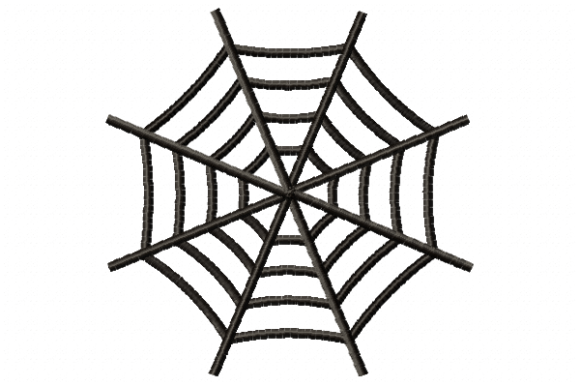
Spiderweb Embroidery Design Review for Seasonal & Holiday Product Makers
As an embroidery designer planning for seasonal product collections, I always look for designs that strike a balance between visual appeal and practical usability. Spiderweb caught my attention as a potential standout for holiday and seasonal crafting, especially for Etsy sellers and small shop owners looking to create standout handmade gifts and festive apparel. Let’s dive into how this machine embroidery design holds up in real-world use scenarios.
First Impressions: A Festive Yet Playful Touch
Spiderweb brings a unique mix of playful and slightly spooky charm, making it ideal for Halloween-themed products or as a subtle nod to autumn decor. The design feels decorative without being overly complex, which allows it to fit into both modern and rustic aesthetics. It has a moderate level of detail that doesn’t overwhelm the eye, yet still offers enough texture to stand out on fabric. This makes it a great choice for seasonal items like sweatshirts, tote bags, and pillow covers where visual interest matters but durability is key.
Its whimsical tone can appeal to children and adults alike, especially when used in baby items or family matching pajamas. The emotional tone leans more toward fun and imaginative rather than eerie, which keeps it accessible for a broader audience, including those who may not go all-out for Halloween but still enjoy a seasonal touch.
Practical Uses for Holiday and Seasonal Sellers
For Etsy sellers and crafters aiming to build a cohesive holiday collection, Spiderweb offers versatility. It works well in gift bundles when paired with coordinating embroidery files or themed prints. As a standalone design, it can be featured on kitchen towels, aprons, or embroidered patches—perfect for last-minute personalized gifts or craft fair displays.
When used on sweatshirts or tote bags, Spiderweb adds a seasonal flair without being too niche. It’s also effective in limited edition apparel drops, especially around October. The design translates well to product mockups and printable promotional graphics, helping sellers showcase their items effectively on social media and digital listings.
I especially recommend it for holiday-themed home decor like pillow covers or table linens. These are high-margin items that shoppers love during seasonal shopping periods, and Spiderweb’s design helps elevate the perceived value of such handmade gifts.
Where to Use Spiderweb with Care
Like any embroidery file, Spiderweb has its limitations. If you're working with small hoop sizes, you may need to simplify or resize the design carefully to maintain clarity. Tiny lettering or intricate web details might not stitch out cleanly on smaller formats, so test runs are essential.
This design may also require extra attention when stitched on thick towels or dark fabric. Thread color selection becomes critical—always test on both light and dark materials to ensure visibility and contrast. If using metallic thread, keep in mind that it can affect stitch density and may require adjustments to prevent puckering or distortion.
Stretchy garments or curved caps can also present challenges, so using the right stabilizer and hoop size is crucial for maintaining the design’s integrity. Always test on sample fabric before production to avoid costly mistakes, especially when creating finished products for resale.
Seasonal Appeal and Buyer Engagement
Spiderweb taps into the emotional pull of seasonal shopping by offering a design that feels timely yet versatile. Its subtle holiday mood can spark nostalgia or a sense of cozy celebration, which helps increase giftability and customer trust. When shoppers see a well-executed embroidered design like Spiderweb on a product listing, it signals attention to detail and craftsmanship.
For small shop owners, consistency in design style builds brand recognition. Spiderweb fits into a broader seasonal theme when paired with complementary embroidery files. It’s a great anchor for themed collections that include matching items like monogrammed kitchen towels or personalized gifts for kids.
Additionally, the design’s visual recognition factor makes it a strong candidate for product previews on social media. A well-stitched Spiderweb on a mockup can generate engagement and drive clicks, especially during peak shopping months.
Before incorporating Spiderweb into your product lineup, here are some practical tips:
- Test thread colors on both light and dark fabric to ensure optimal contrast and visibility.
- Check stitch density, especially when using metallic or specialty threads.
- Confirm hoop size compatibility with your machine and intended fabric type.
- Use a high-quality stabilizer to prevent shifting or distortion, particularly on stretchy or textured materials.
- Create realistic mockups to visualize how the design will look on finished products.
- After stitching, review small details to ensure clarity—resize if necessary.
- Plan matching color palettes to coordinate with other seasonal embroidery files.
- Always confirm commercial licensing terms before selling items made with digital embroidery files, especially if you're offering them as part of a seasonal product collection.
Final Thoughts for Seasonal Sellers and Crafters
Spiderweb is a thoughtful addition to any seasonal embroidery collection. Whether you're creating handmade gifts, personalized gifts, or seasonal apparel, this design offers flexibility and charm. It’s especially effective for Etsy sellers and small business owners who want to build a cohesive, holiday-ready product line without sacrificing quality or originality.
Used wisely, Spiderweb can enhance your shop’s seasonal appeal, boost buyer engagement, and contribute to a memorable shopping experience. Just remember to test, plan, and execute with care to ensure your finished products reflect the professionalism and creativity your customers expect.