Paris Embroidery Design: A Maker’s Review
As an embroidery designer who regularly sources assets for both personal creative projects and commercial client orders, I approach every new machine embroidery design with a critical eye. When browsing the Europe category on Creative Fabrica, the "Paris" design immediately caught my attention. The product description promises to add a touch of charm to fabrics, suggesting it is ideal for t-shirts, towels, and home decor. However, as someone responsible for delivering high-quality finished products to paying customers, I need to know if this digital asset can truly deliver in a real-world production environment. This review evaluates Paris not just as a pretty image, but as a functional tool for Etsy sellers, apparel decorators, and creative entrepreneurs.
First Impressions and Visual Mood
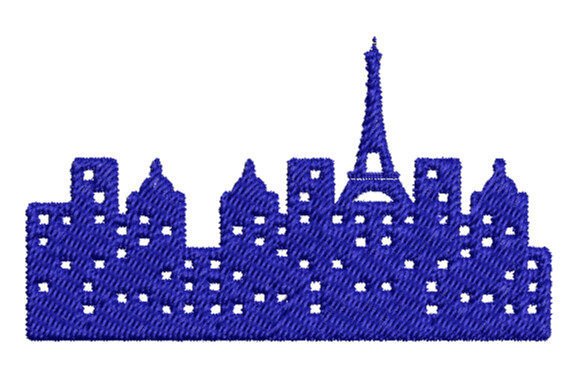
The visual mood of Paris strikes a balance between whimsical and sophisticated. In the world of commercial embroidery, finding designs that feel artistic rather than generic is crucial for brand differentiation. This design appears to capture a sense of European charm without being overly cliché, making it versatile for various demographics. For a handmade product line, this aesthetic is valuable because it appeals to customers looking for something unique yet accessible.
From a digitizing perspective, the initial preview suggests a mix of decorative elements that could translate well into thread. However, before downloading any embroidery file, I always assess the intended application. Does this look like a heavy jacket back patch, or is it better suited for lightweight knits? Based on the "fun and whimsical accent" description, Paris seems positioned as a versatile mid-weight design. It likely avoids the extreme density of a full-back logo while offering more substance than a simple monogram. This makes it a strong candidate for sweatshirt embroidery or a focal point on a tote bag design.
Practical Application for Real Projects
When integrating Paris into a production workflow, versatility is key. Here is how I envision this design performing across different categories:
- Custom Apparel: For t-shirts and sweatshirts, the design needs to move with the fabric. If Paris utilizes excessive fill stitch areas, it could create a stiff "bulletproof vest" effect on lightweight cotton. I would recommend testing on a scrap piece of similar weight to ensure the drape remains natural.
- Home Decor and Linens: The product description specifically mentions towels. Kitchen towels and pillow covers are excellent canvases for this type of European-inspired art. However, towels require specific stabilization strategies to prevent stitches from sinking into the pile.
- Accessories: As a tote bag design, Paris could serve as a central motif. Canvas totes are forgiving regarding stitch density, allowing for richer detail. Conversely, if using this for caps, one must verify the file includes a curved cap version or be prepared to edit the design to prevent distortion on the rounded surface.
- Patches: Creating an embroidered patch requires a clean merrowed edge or satin border. If Paris has defined outer boundaries, it could easily be converted into a patch for denim jackets or backpacks, adding significant perceived value to the item.
Technical Considerations and Stitch Integrity
A beautiful screen view does not guarantee a clean stitch-out. When evaluating Paris for professional use, several technical factors come into play. First, consider the hoop size. Creative Fabrica listings often include multiple sizes, but you must confirm which sizes are included in your download. Resizing a complex design too much can distort satin stitch columns or cause registration issues with running stitch details.
Stitch density is another critical variable. If you plan to embroider Paris on stretchy fabrics like jersey knits or performance wear, a dense design will cause puckering. In such cases, using a cutaway stabilizer is non-negotiable. For woven fabrics like linen or canvas, a tear-away might suffice, but always test first. If the design includes tiny lettering or intricate architectural details common in Paris-themed art, verify that these elements remain legible at smaller sizes. Sometimes, reducing a design below its intended minimum size causes small text to merge into unreadable blobs.
Thread color selection also plays a massive role in the final outcome. While the digitizer provides suggested thread colors, adapting the palette to match current fashion trends or specific brand guidelines can transform the design. For example, shifting from traditional French blues and reds to muted earth tones could make Paris feel more modern and suitable for boutique merchandise. Always run a color simulation or physical test stitch when deviating significantly from the original chart.
Commercial Viability and Product Value
For Etsy sellers and small business owners, the ultimate question is whether Paris adds monetary value. A well-executed embroidery design elevates a blank garment into a premium personalized gift. The "whimsical accent" described in the product details suggests this design has emotional appeal, which drives sales in the handmade market.
Consider the presentation. High-quality printable mockups are essential for online listings. Before listing items featuring Paris, photograph your actual test stitch-outs on the intended products. Buyers trust real photos over digital renders. Showing the texture of the applique design elements (if present) or the sheen of the thread helps justify a higher price point. Furthermore, consistency builds trust. If you use Paris as part of a larger European travel collection, ensure the stitch style matches your other design assets. Mixing drastically different digitizing styles can make a shop look disjointed.
Also, think about washability. Items like baby blankets, aprons, and kitchen towels face frequent laundering. Inspect your test stitch-out after washing and drying. Did the satin stitch borders hold up? Did the fabric pucker? Answering these questions before selling prevents negative reviews and returns.
Essential Pre-Production Checklist
Before committing Paris to a customer order or bulk production run, follow this practical checklist to ensure success:
- Verify Licensing: Always check the specific license terms on the Creative Fabrica product page. Confirm whether the digital embroidery file allows for commercial use on physical products and if there are any limitations on quantity or digital redistribution.
- Test on Scrap Fabric: Never stitch directly onto a final product without a test run. Use the exact fabric and stabilizer combination intended for the project.
- Check File Formats: Ensure your machine’s format is available and that the file transfers correctly. Corrupt files can happen; catching this during testing saves hours of frustration.
- Evaluate Contrast: Test on both light and dark fabrics. Some designs rely on fabric color showing through, while others require a white underlay. Understanding this prevents muddy results on dark garments.
- Inspect Small Details: After stitching, examine fine lines and text. If they are lost or jagged, you may need to adjust tension, change needle size, or choose a larger hoop size.
- Document Your Settings: Note which stabilizer, needle type, and thread brand worked best with Paris. This creates a reliable reference for future reorders.
Final Thoughts for Makers
Paris offers a promising blend of aesthetic charm and potential utility for embroidery professionals. Its suitability for t-shirts, towels, and home decor aligns well with current market demands for personalized, whimsical goods. However, the success of any Creative Fabrica embroidery purchase depends entirely on the maker's diligence. By respecting technical constraints, testing thoroughly, and verifying commercial rights, you can transform this digital file into profitable, beautiful custom apparel and gifts. Whether you are creating a nursery theme, a travel-inspired tote, or a seasonal sweatshirt, approaching Paris with professional scrutiny ensures your finished embroidery reflects the quality your customers expect.