Christmas Coquette Bow: A Craft Fair Review
As an embroidery designer preparing for the upcoming holiday market season, my selection process for booth inventory is rigorous. Every machine embroidery design must earn its place on the table by balancing aesthetic appeal with production efficiency and commercial viability. When evaluating the Christmas Coquette Bow for this year’s lineup, I am looking at more than just a festive motif; I am assessing a potential best-seller that bridges the gap between vintage nostalgia and modern trendiness. This review breaks down exactly how this design performs in a real-world craft fair environment, from digitizing integrity to customer engagement at the point of sale.
First Impressions: Soft Femininity Meets Holiday Tradition
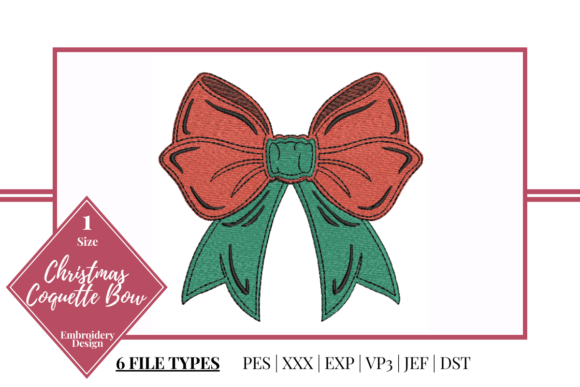
The immediate visual impact of the Christmas Coquette Bow is undeniably soft yet deliberate. In a sea of aggressive red-and-green traditional motifs, this design offers a breath of elegant air. It reads as premium and boutique-ready rather than generic. The "coquette" aesthetic is currently dominating social media and handmade marketplaces, making this embroidery file highly relevant for buyers seeking trendy, giftable items. It strikes a balance between playful and sophisticated, avoiding the overly juvenile look that can sometimes plague bow designs. For a vendor, this means the design appeals to a broader demographic, from Gen Z shoppers looking for aesthetic accessories to older customers appreciating classic feminine detailing. It feels intentional, decorative, and distinctly high-end, which justifies a higher price point for finished goods.
Top Performing Products for Market Sales
Not every design translates equally across all blanks. Based on current market trends and the specific styling of the Christmas Coquette Bow, certain products will yield a higher return on investment at a craft fair or in an Etsy shop.
- Tote Bag Design: This is arguably the strongest application. A natural canvas tote featuring a centered or pocket-placed coquette bow creates an instant statement piece. The contrast of the delicate bow against sturdy canvas highlights the stitch density and texture, making it a top-tier craft fair product.
- Apron Embroidery: Holiday hosting is a major driver of Q4 sales. Placing this bow on the chest or lower hem of a linen or cotton apron transforms a utilitarian item into a fashionable accessory. It photographs beautifully for listings and looks expensive in person.
- Tea Towel Embroidery: For a lower price-point impulse buy, tea towels are ideal. The bow works exceptionally well as a corner accent or a centered minimalist motif. Because tea towels are flat and stable, they allow for crisp registration, ensuring the bow looks professional even at smaller sizes.
- Fabric Pouches and Clutches: Small zippered pouches serve as excellent "add-on" items at checkout. The coquette aesthetic aligns perfectly with personal accessories, making these easy upsells when displayed in baskets near the register.
- Embroidered Patch: Creating standalone patches allows customers to customize their own denim jackets or bags. This extends the life of the design beyond your own inventory and appeals to the DIY crowd attending the fair.
Production Viability and Batch Efficiency
For a small shop owner or solo entrepreneur, time is money. The Christmas Coquette Bow scores high on production practicality. Unlike complex scenic designs that require frequent thread changes and long run times, this bow typically utilizes limited thread colors, allowing for faster turnaround during batch production. This efficiency is crucial when restocking popular items mid-market or fulfilling custom orders during the holiday rush.
From a photography standpoint, the design is a dream for Etsy seller listings. Its distinct shape and recognizable silhouette read clearly even in thumbnail images. When creating a printable mockup or listing photo, the bow does not get lost in busy backgrounds. This clarity increases click-through rates online and helps customers instantly understand what they are buying at a glance in a crowded booth. Furthermore, the design is repeatable. It does not rely on seasonal text like "2024," meaning unsold inventory can carry over to next year or be repurposed for general winter sales, protecting your profit margins.
Critical Technical Considerations for Clean Results
While the design is versatile, professional results depend on respecting technical limitations. As you prepare your finished product lineup, keep these cautionary notes in mind to avoid wasted blanks and frustrated customers.
Fabric Texture and Stability
The success of the Christmas Coquette Bow relies heavily on clean edges and smooth fills. Avoid using this design on highly textured fabrics like terry cloth or chunky knits unless you use a heavy water-soluble topping. The delicate loops of the bow can sink into deep pile fabrics, causing the design to lose definition. For fabric texture challenges, opt for woven cottons, linens, or smooth poly-blends that provide a stable canvas for the stitches.
Sizing and Detail Retention
Resist the urge to shrink this design too small. While it makes a lovely accent, reducing it below a certain threshold can cause satin stitches to become too narrow, leading to thread breaks or a jagged appearance. Always verify the minimum size recommended in the digital embroidery file specifications. If you need a tiny version for a tag or label, ensure the digitizer has created a specific small-size variant with adjusted stitch density rather than simply resizing the master file.
Thread Contrast and Color Selection
The product description notes that colors can be altered based on the thread colors put in your machine. Use this to your advantage, but test first. A pale pink bow on white fabric may disappear in low-light booth conditions. Ensure there is sufficient contrast between the thread and the base fabric. For dark fabrics, consider adding a subtle outline or shadow stitch to lift the design visually. Always run a sew-out on the exact material you intend to sell; digital previews cannot account for fabric sheen or thread luster.
Designer Notes for Commercial Success
Before listing this as a handmade product or stocking your booth, follow this professional checklist to ensure brand consistency and quality:
- Test Sew-Outs are Mandatory: Never skip testing on scrap fabric. Check for puckering, especially around the curves of the bow. Adjust tension or stabilizer weight if the fabric distorts.
- Verify Hoop Size Compatibility: Confirm the design fits comfortably within your hoop size with adequate margin for the presser foot. Cramped hooping leads to registration errors and rejected units.
- Create Real Mockups: Do not rely solely on digital software renders. Stitch out at least one sample on your primary selling blank (e.g., a tote bag) to photograph. Customers trust real photos over digital art.
- Check Licensing: Before selling, confirm the commercial licensing terms of the design assets. Ensure you are permitted to sell physical embroidered items and verify if there are any restrictions on mass production or digital redistribution.
- Curate Your Display: Group items featuring the Christmas Coquette Bow together to create a cohesive collection. Visual merchandising reinforces the "boutique" feel and encourages multi-item purchases.
The Christmas Coquette Bow represents a strategic opportunity for creative entrepreneurs. It capitalizes on current trends while maintaining enough classic charm to remain relevant. By focusing on high-contrast applications, respecting technical constraints, and presenting it as part of a curated collection, this commercial embroidery design can become a cornerstone of your holiday sales strategy. Whether you are a seasoned vendor or a new small shop product creator, this design offers the versatility and appeal necessary to turn booth visitors into loyal customers.